


Cosmetic Surgery Abroad: The Cost, Safety, and Recovery Data
Cosmetic surgery abroad can cut the total bill by 40 to 60 percent compared with UK private clinics — and that gap holds even after flights, transfers, and aftercare are added in. The harder question for most patients isn’t the discount. It’s whether the surgeon, the hospital, and the aftercare meet the standard they’d expect at home.
Key Takeaways
- Cosmetic surgery abroad typically runs 40–60% below UK private clinic pricing once all-inclusive packages (pre-op consultation, surgery, hospital stay, aftercare, transfers) are compared like-for-like.
- EU member-state regulation means a Polish surgical facility follows the same device and surgeon-qualification standards as Germany, France, or Sweden — a different regulatory tier to non-EU destinations.
- Poland is the leading UK and Canadian patient destination for cosmetic procedures: a 2–3 hour flight, English-speaking surgical teams, and no language barrier during consultation or aftercare.
- Recovery timelines vary by procedure — rhinoplasty runs 2–4 weeks to social readiness, a tummy tuck 6–8 weeks — and most patients plan travel around the shorter early-recovery window, not full healing.
- KCM Clinic’s all-inclusive package bundles pre-op consultation, surgery, hospital stay, dietetics, psychology, physiotherapy, and airport transfers into one price, removing the itemised extras common elsewhere.
Why Do Patients Choose Cosmetic Surgery Abroad?
Patients choose cosmetic surgery abroad primarily for cost — 40–60% savings against UK private pricing — but the deciding factor is usually structure: an all-inclusive package that bundles surgery, hospital stay, and aftercare into one transparent price, instead of a UK quote that covers surgical time alone.
Cosmetic procedures fall outside NHS funding in almost every case, so UK patients are already comparing private options before they ever search “abroad.” That reframes the decision: it isn’t NHS queue versus no queue, it’s one private quote versus another — and the itemisation behind each quote is where the real difference sits.
| Factor | Typical UK private clinic | Cosmetic surgery abroad (EU package) |
|---|---|---|
| Pricing structure | Surgery quoted separately from aftercare | Surgery, stay, and aftercare bundled into one price |
| Physiotherapy & psychology support | Usually a separate charge, if offered | Included in the package |
| Regulatory framework | UK MHRA / CQC | EU Medical Devices Regulation — same as Germany, France |
| Surgeon assignment | Varies by clinic and availability | Named specialist confirmed at pre-op consultation |

By the numbers: The 40–60% savings figure holds even after travel and accommodation are factored in, because the comparison point — a UK quote covering surgical time only — was never the full cost of UK treatment to begin with.
Which Countries Offer the Best Cosmetic Surgery for UK and Canadian Patients?
Poland leads UK and Canadian patient volume for cosmetic procedures, followed by a handful of other EU destinations. The deciding factors are regulatory alignment, flight time, and language — not price alone, since several non-EU destinations undercut EU pricing further.
Three things separate Poland from the wider medical-tourism map for this audience:
- Flight time. Direct routes from UK airports run 2–3 hours; most Canadian patients connect through a UK or European hub.
- Language. International patient teams operate in English, alongside German and Arabic — consultation, consent, and aftercare happen in the patient’s own language, not through a translator relay.
- Regulatory tier. Poland is an EU member state. Turkey and India, the two largest non-EU cosmetic surgery destinations by volume, operate under different device and facility regulation entirely.
Countries outside the EU can still deliver strong outcomes — regulation is one input among several, not a guarantee by itself. But for a UK or Canadian patient trying to compare quotes quickly, EU membership is the single filter that answers the most questions at once: device certification, surgeon registration, and facility inspection all default to the same framework that already governs care at home.
Is Cosmetic Surgery Abroad Safe Under EU Regulation?
Cosmetic surgery abroad within the EU operates under EU Medical Devices Regulation 2017/745 — the same framework governing implant certification, surgeon qualification registers, and clinical incident reporting in Germany and France. A Polish EU-regulated facility answers to that framework exactly as a hospital in Munich or Paris would.
What that means in practical terms for a patient comparing options:
- Implant and device materials must carry EU MDR certification, whether the product is a breast implant or a surgical mesh.
- Surgeon qualifications are checked against EU professional registers — not taken on the clinic’s word.
- Facilities undergo the same inspection and incident-reporting obligations as any EU member-state hospital.
This is the regulatory floor that separates EU cosmetic surgery abroad from non-EU alternatives, and it applies the same way whether the surgery is a rhinoplasty or a knee replacement. Patients researching knee replacement abroad alongside a cosmetic procedure are working within an identical framework.
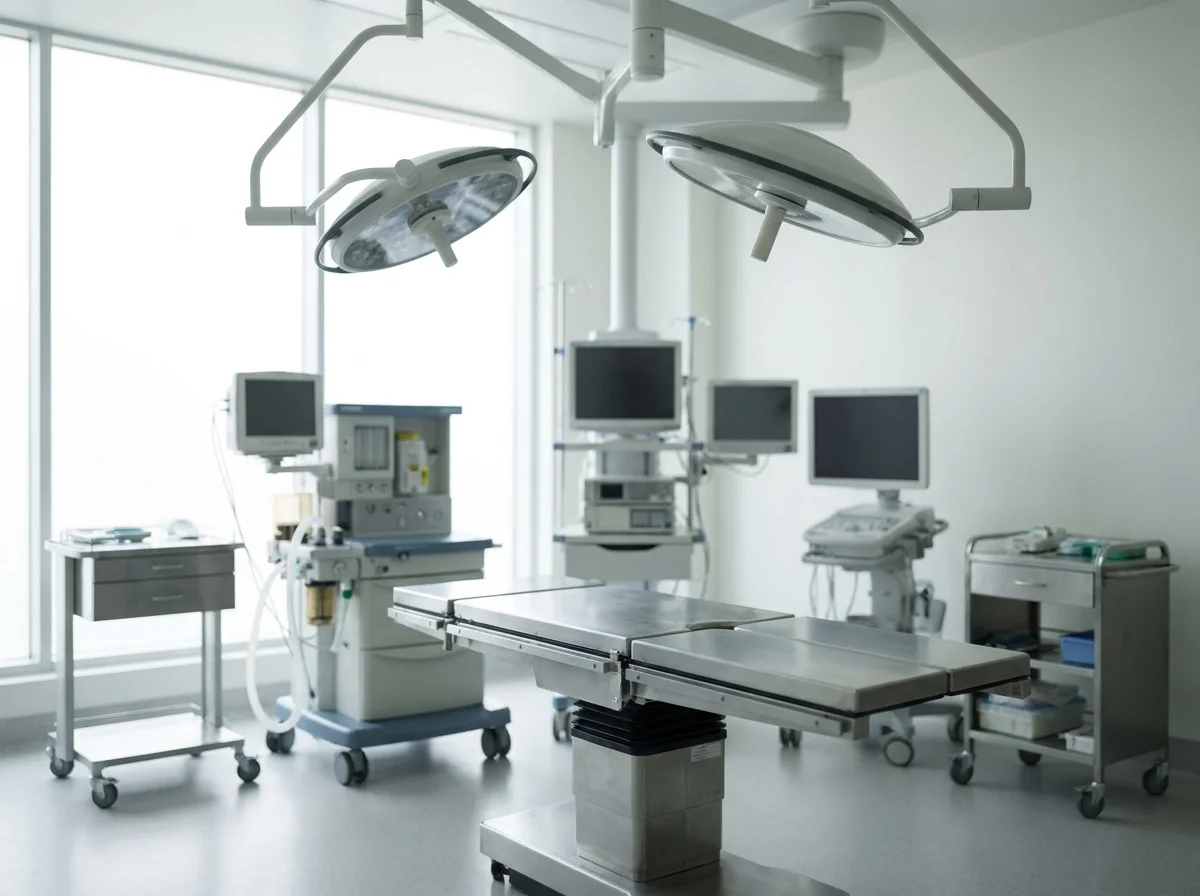
No procedure — cosmetic, orthopaedic, or otherwise — is free of risk, and regulation doesn’t remove that. It does remove the uncertainty about whether the device in front of the surgeon, or the surgeon holding it, has actually been checked by anyone.
How Much Can You Save on Cosmetic Surgery Abroad?
Patients typically save 40–60% on the total cost of cosmetic surgery abroad compared with UK private pricing, once aftercare, physiotherapy, and the hospital stay are counted on both sides of the comparison rather than left off the UK quote.
The gap narrows if a patient compares a bare UK surgical fee against an all-inclusive EU package — that isn’t a fair comparison, and it’s the one most cost tables online quietly make. A UK quote for surgical time alone, set beside a package that already includes the inpatient stay, dietetics, physiotherapy, and psychology support, will always look artificially close.
- Ask what a UK quote excludes before comparing it to an “all-inclusive” abroad price.
- Confirm whether physiotherapy and psychological support are billed separately at home — they usually are.
- Check whether the abroad quote includes airport transfers and aftercare coordination, or just the operating theatre.
Worth knowing: The single biggest distortion in cosmetic surgery cost comparisons is inconsistent scope — one quote covering surgery only, the other covering the full patient journey.
What Does KCM Clinic’s All-Inclusive Package Include?
KCM Clinic’s all-inclusive cosmetic surgery package bundles the pre-operative consultation, the surgical procedure itself, the hospital stay, dietetics, psychology support, physiotherapy, airport transfers, and aftercare coordination into a single confirmed price. Nothing on that list is billed as an extra once the package is agreed.
That structure exists because recovery outcome depends on more than the operation. A patient discharged with no physiotherapy plan, no dietetic guidance, and no coordinated follow-up is managing their own aftercare in a country where they don’t speak the language — the exact gap where fragmented medical-tourism bookings tend to fall apart.
Every procedure is assigned to a named specialist surgeon confirmed at consultation, not an anonymous rotating roster. For a concrete look at how this plays out procedure-by-procedure, see the full cost and recovery breakdown for rhinoplasty surgery — the same all-inclusive structure applies across KCM’s surgical specialties, including gastric sleeve surgery for patients combining weight management with a later cosmetic procedure.
How Does Recovery Work After Surgery in Poland?
Recovery timelines depend on the procedure, not the destination: rhinoplasty patients typically reach social readiness in 2–4 weeks, while a tummy tuck runs 6–8 weeks to the same point. Most patients plan their trip around the shorter early-recovery window rather than staying abroad for full healing.
| Procedure | Time to social readiness | Full recovery |
|---|---|---|
| Rhinoplasty | 2–4 weeks | 3–6 months for final shape settling |
| Tummy tuck | 6–8 weeks | Up to 12 months for scar maturation |
| Breast augmentation | 2–3 weeks | 3–4 months |
The pattern across procedures is consistent: patients fly home once the acute phase is over and complications are least likely, then complete lighter recovery milestones at home. That’s why structured aftercare coordination during the abroad portion of recovery — physiotherapy, dietetics, a clear discharge plan — carries more weight than the flight itself.

Patients travelling for a procedure alongside a longer-term health plan — commonly alongside knee replacement surgery — should confirm both recovery windows before booking a single return flight for two overlapping procedures.
Get Started with KCM Clinic’s Cosmetic Surgery Packages
Comparing cosmetic surgery abroad against a UK private quote only works once both sides cover the same ground — surgery, stay, and aftercare, not just theatre time. KCM Clinic’s all-inclusive packages are built so that comparison is straightforward from the first consultation.
Learn more about KCM Clinic’s cosmetic surgery packages
Frequently Asked Questions About Cosmetic Surgery Abroad
Which country is best for cosmetic surgery, Poland or Turkey?
Both perform high volumes of cosmetic surgery, but they sit in different regulatory tiers. Poland is an EU member state operating under EU Medical Devices Regulation; Turkey sits outside that framework. UK and Canadian patients prioritising regulatory alignment with home-country standards typically weigh this before comparing price alone.
Is cosmetic surgery abroad actually cheaper once you add everything up?
Yes, typically 40–60% cheaper than UK private clinics — but only when both quotes are compared like-for-like. A UK quote covering surgical time alone looks deceptively close to an all-inclusive abroad package that already covers the hospital stay, physiotherapy, and aftercare.
Is cosmetic surgery abroad safe?
Safety depends heavily on destination and facility, not the fact of travelling itself. Within the EU, facilities operate under the same device certification and surgeon-registration rules as Germany or France. No surgery is risk-free, but EU regulation removes the uncertainty about whether a facility has actually been checked.
What’s included in KCM Clinic’s all-inclusive cosmetic surgery package?
Pre-operative consultation, the surgical procedure, hospital stay, dietetics, psychology support, physiotherapy, airport transfers, and aftercare coordination — bundled into one confirmed price, with no itemised extras added after the package is agreed.