

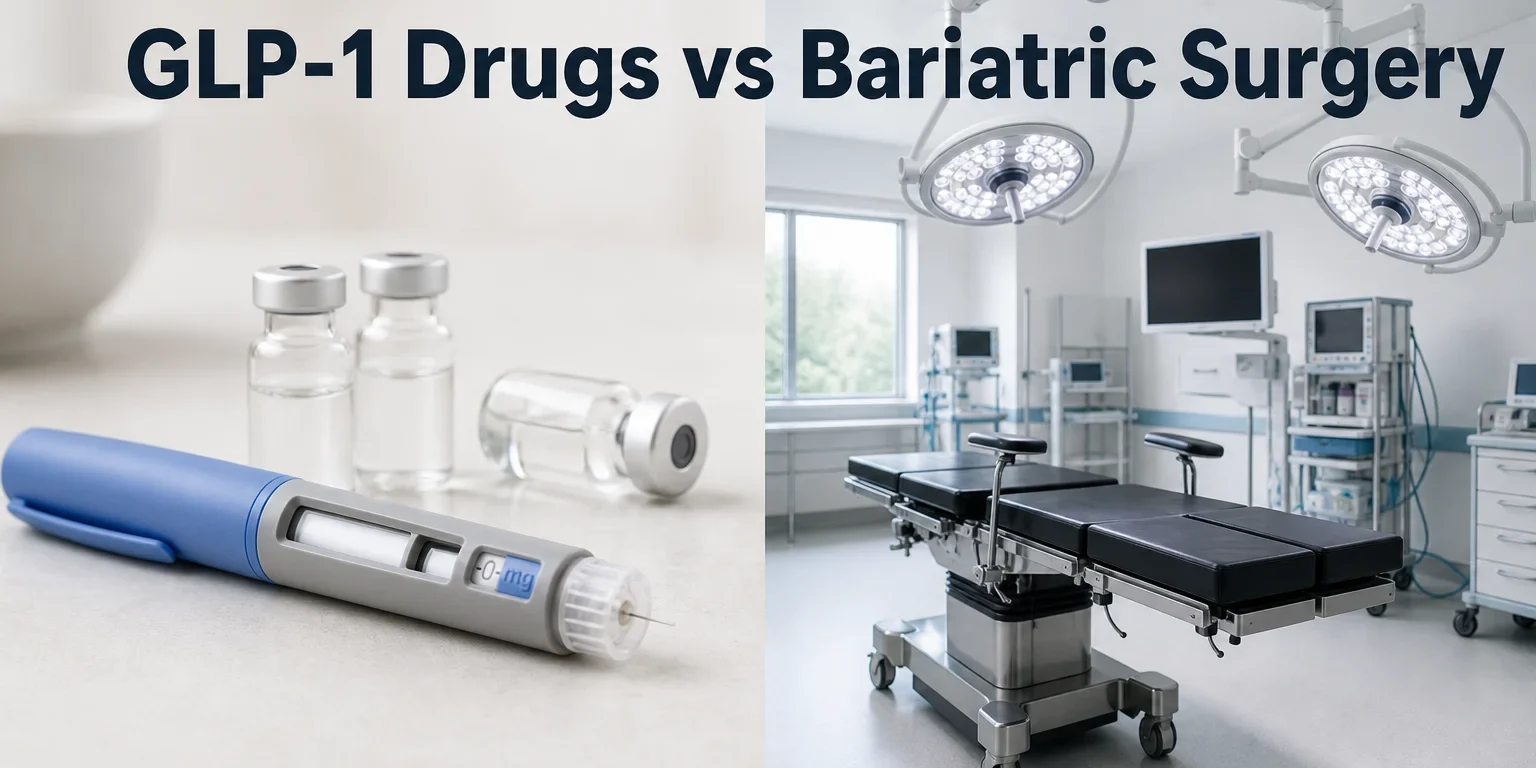
GLP1 vs Bariatric Surgery: Which Works Better, and When?
For most people with a BMI above 35, bariatric surgery produces larger and longer-lasting weight loss than GLP-1 drugs such as semaglutide and tirzepatide. GLP-1 medication is still the right first step for many others. The real question in the GLP1 vs bariatric surgery debate is not which is “better”, but which fits your body, your timeline, and your tolerance for an operation.
This is physician-reviewed patient education from KCM Clinic, reviewed by Dr Stanisław Kwiek, MD, PhD. It is general information, not a diagnosis, and your own doctor decides what suits you.
What Is the Difference Between GLP-1 Drugs and Bariatric Surgery?
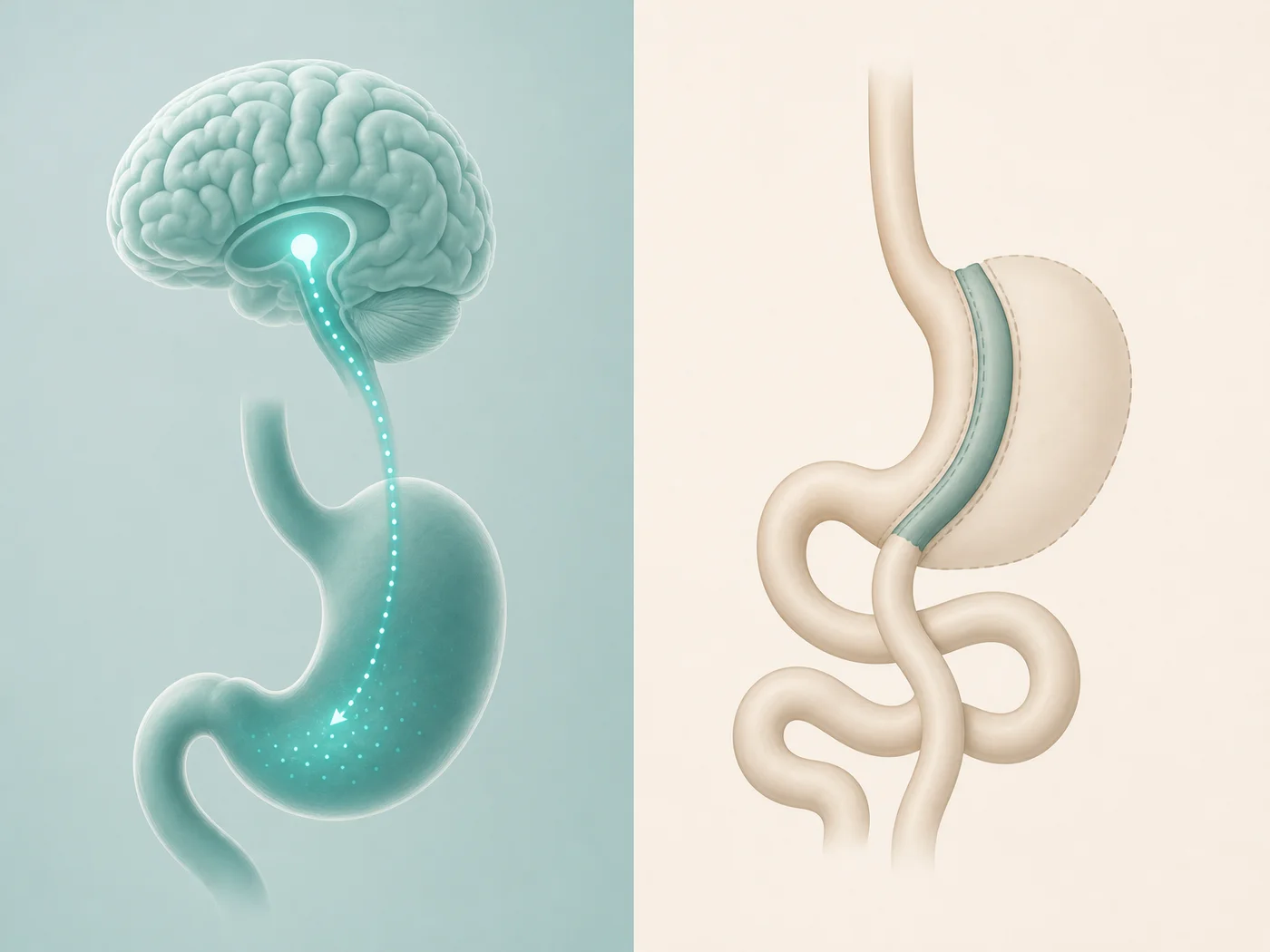
GLP-1 drugs are weekly injections that mimic a gut hormone, reducing appetite and slowing stomach emptying for as long as you take them. Bariatric surgery physically changes the digestive tract, either shrinking the stomach, as in a sleeve, or rerouting the intestine, as in a bypass. One is a treatment you stay on; the other is a one-time procedure.
Semaglutide and tirzepatide work through hormone signalling in the brain and gut. They quieten “food noise” and make you feel full sooner, but the stomach itself is unchanged.
Surgery works on two fronts at once. It limits how much you can eat, and it shifts gut hormones that influence hunger and blood sugar. Our guide to gastric sleeve surgery walks through that procedure step by step.
Key Takeaways
- GLP-1 drugs act on appetite signals and only work while you keep taking them; surgery changes the anatomy of digestion and is a one-time procedure.
- In major trials, semaglutide produced about 15% average weight loss and tirzepatide about 21%. Long-term surgical studies report around 25% of starting weight kept off at 10 to 15 years after gastric bypass.
- Stopping GLP-1 drugs usually brings weight back, often within a year. Surgery also carries regain risk, but the starting point is lower.
- Surgery suits people with higher BMI, type 2 diabetes, or a stalled drug response. Medication suits people who want to avoid an operation or have a smaller amount to lose.
- The two are not rivals. Many patients use one before or after the other, and KCM Clinic offers surgical, endoscopic, and balloon routes.
GLP1 vs Bariatric Surgery: Which Is More Effective?
On average, bariatric surgery is more effective than GLP-1 medication for both the amount of weight lost and how long it stays off. Gastric bypass and sleeve gastrectomy typically produce larger losses than semaglutide, and tirzepatide narrows but does not close the gap. Individual results vary widely with either route.
A 2025 comparison published in a peer-reviewed journal found that metabolic and bariatric surgery was associated with more weight loss than GLP-1 receptor agonists in people with class II and III obesity, at lower ongoing cost. Observational data like this has limits, because patients are not randomly assigned. It still points in a consistent direction.
Effectiveness is not only about the scale. Surgery has the longest evidence base for improving or resolving type 2 diabetes, sleep apnoea, and blood pressure. GLP-1 drugs improve these too, but the data on durability after stopping is thinner.
How Much Weight Can You Lose With GLP1 vs Bariatric Surgery?
In the STEP 1 trial, adults on semaglutide 2.4 mg lost about 15% of body weight over 68 weeks. In SURMOUNT-1, tirzepatide at the highest dose averaged about 21% over 72 weeks. After gastric bypass, long-term cohorts report roughly 25% of starting weight kept off at 10 to 15 years.
| Semaglutide 2.4 mg | Tirzepatide (top dose) | Gastric bypass / sleeve | |
|---|---|---|---|
| Average loss in trials | About 15% of body weight | About 21% of body weight | Commonly 25-30% of body weight in the first two years |
| Time to reach it | About 68 weeks | About 72 weeks | 12-24 months |
| Needs to continue? | Yes, ongoing injections | Yes, ongoing injections | No, but lifelong follow-up and supplements |
| Reversible? | Stops working when stopped | Stops working when stopped | Bypass largely not; sleeve not |
The early weeks look different too. Our article on one month of weight loss after bariatric surgery explains the first-month pattern, which is fast, front-loaded, and partly water.
Weight Regain After GLP-1 Drugs or Surgery
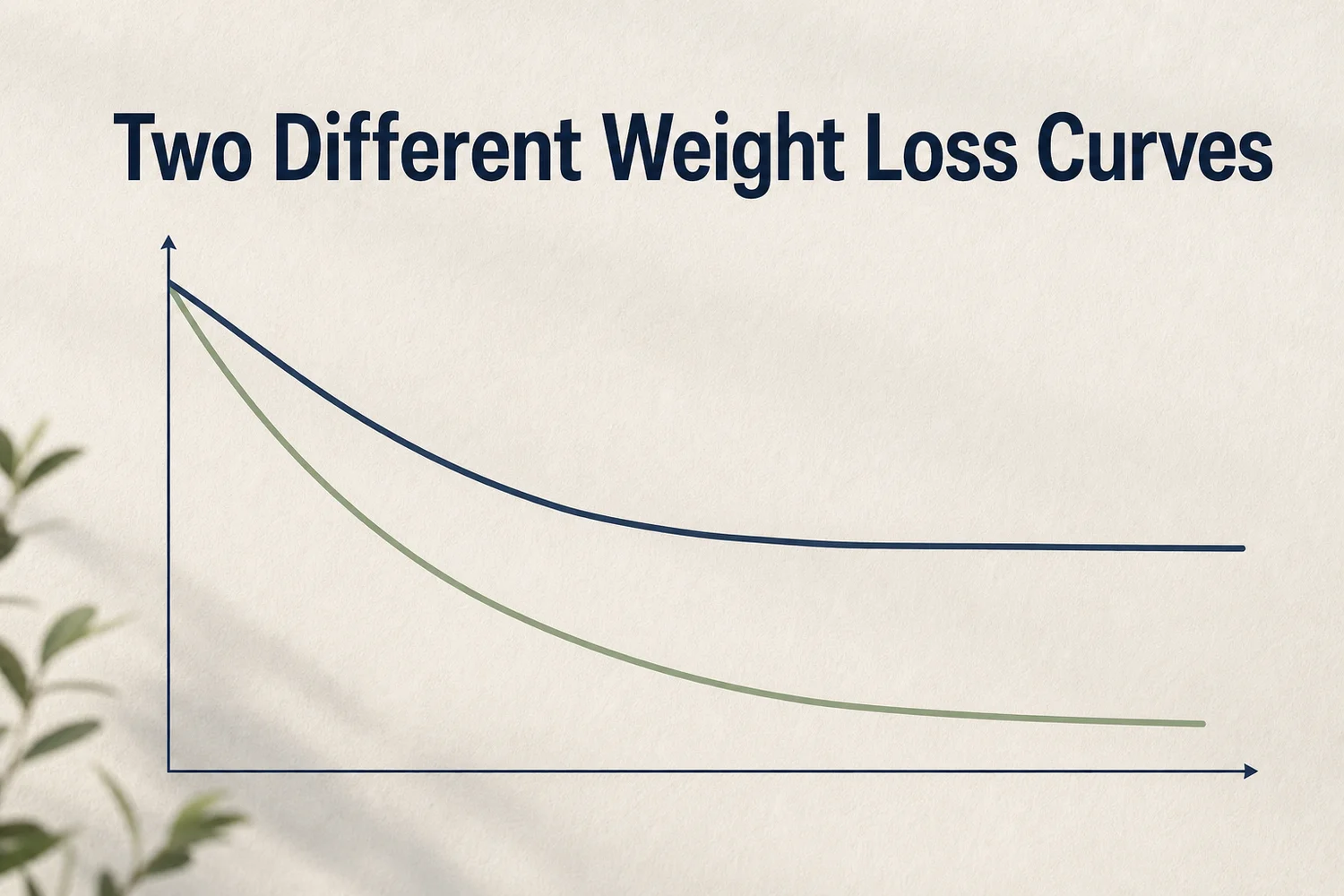
Not automatically, with either. In the STEP 1 extension, people who stopped semaglutide regained about two-thirds of the weight they had lost within a year. Tirzepatide shows a similar pattern when it is withdrawn.
Surgery is more forgiving, but not immune. Gradual regain after year five is common, which is why we cover it plainly in the long-term effects of gastric bypass.
Reality check: Neither option is “set and forget”. One needs an injection every week; the other needs vitamins, bloodwork, and eating habits for life.
Cost: Monthly Drugs Versus a One-Off Operation
The shapes of the costs differ more than the totals. GLP-1 treatment is a recurring monthly expense for as long as you need it, and the benefit usually fades if you stop. Surgery is a single, larger outlay followed by modest running costs for supplements and check-ups.
For self-funding patients, that makes the comparison one of time horizon. A few months of medication costs less than an operation; several years of medication may not. We do not quote a single figure here because prices vary by brand, dose, and country. KCM Clinic provides an itemised, all-inclusive quote after consultation.
When Should You Choose Bariatric Surgery Over GLP-1 Medications?
Consider surgery when you have a BMI of 35 or above with weight-related conditions, a BMI of 40 or above, type 2 diabetes that medication is not controlling, or a plateau despite GLP-1 treatment. It also suits people who want to avoid indefinite injections, though it requires committing to lifelong follow-up.
Typical signals that surgery deserves a serious conversation:
- Your weight has stalled on the maximum tolerated GLP-1 dose
- You have a large amount to lose and want the greatest possible reduction
- Side effects such as persistent nausea stop you from continuing the drug
- Supply, wait lists, or monthly costs make long-term medication unrealistic
- You would rather have one decision than a lifelong prescription
Medication may be the better start if your BMI is lower, you are not ready for an operation, or surgery is medically unsuitable. If you do go the surgical route, our comparison of gastric band versus gastric bypass helps with the next decision.
Can You Combine GLP-1 Drugs With Bariatric Surgery?
Yes. Many bariatric teams use GLP-1 drugs before surgery to lower operative risk and weight, or after surgery to manage a plateau or regain. Combination is increasingly standard practice rather than an exception, but timing and dosing should always be set by your surgeon.
Surgery also changes how you eat afterwards. Small, protein-first meals become the norm, and our gastric bypass recipes show what that looks like at each stage of recovery.
For people who are not ready for an operation but want more than medication alone, there is a middle route. KCM is a partner of the Allurion Programme, which uses a swallowable balloon rather than surgery.
Why Choose Bariatric Surgery at KCM Clinic
KCM Clinic began as an obesity-treatment clinic in Jelenia Góra, Poland, and bariatric care remains one of its core services. We offer gastric sleeve, gastric bypass, and endoscopic options, plus the Allurion Programme, so the treatment is matched to you rather than the other way round.
Poland is an EU member state, so care sits under the same regulatory framework as Germany or France. Our laparoscopic operating theatres use 3D technology that is still uncommon in Europe. Packages are all-inclusive: pre-operative consultation, surgery, hospital stay, dietetics, psychology, physiotherapy, aftercare, and transfers.
For UK and Canadian patients facing long waits for NHS or provincial bariatric services, that can turn a multi-year wait into a plan with dates on it.
Get Started with KCM Clinic
If you are weighing medication against surgery, a consultation will tell you which route your health history supports. Our international patient team works in English, German, and Arabic.
Book a Bariatric Consultation with KCM Clinic
FAQ
Is bariatric surgery better than semaglutide?
For weight lost and kept off, studies generally favour surgery, particularly for BMI above 35. Semaglutide is still effective for many people and avoids an operation. The better choice depends on your BMI, health conditions, and whether you can stay on medication long term.
Will I regain weight if I stop GLP-1 drugs?
Most people do. In the STEP 1 extension, participants regained about two-thirds of their lost weight within a year of stopping semaglutide. Staying on treatment, or following up with surgery or structured support, is how most patients manage that risk.
Can I have bariatric surgery if I am already on a GLP-1 drug?
Yes. Many patients are on GLP-1 treatment when they are assessed for surgery. Your surgeon will advise whether to continue, pause, or stop the drug before the operation, because some medications affect anaesthesia and stomach emptying.
Do I need to pay for ongoing treatment after bariatric surgery?
There is no recurring drug cost, but you will need lifelong vitamin and mineral supplements and regular bloodwork. These are modest compared with indefinite medication. Your KCM team will outline the follow-up schedule at consultation.